
Create Innovative ECE Projects for Your Study
Discover Electronics and Communication Engineering project ideas and practical development support across embedded systems, microcontrollers, communication technologies, digital electronics, IoT, robotics, sensors, wireless systems, signal processing, and electronic circuit applications. Lavizon Projects helps college students identify suitable ECE project concepts according to their academic requirements, technical interests, project level, and preferred specialization. Our support includes component selection, circuit planning, hardware design, microcontroller programming, sensor integration, communication setup, prototype development, testing, troubleshooting, documentation, project explanation, demonstration, and presentation preparation. From mini projects to final-year ECE projects, we focus on practical electronic systems that allow students to explore communication technologies, embedded applications, and modern electronics through hands-on project development.
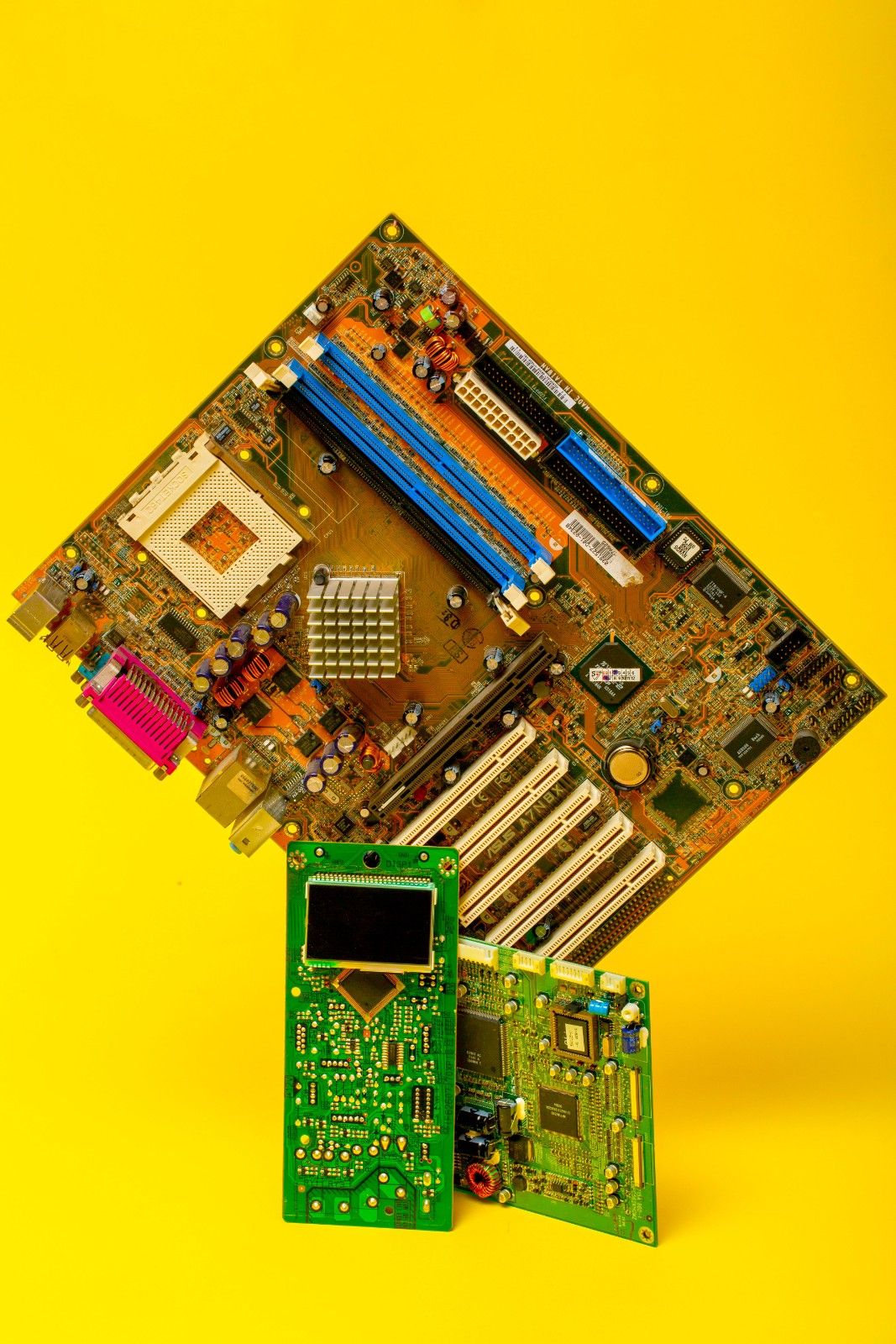
Explore ECE Project Domains
Embedded Systems & Microcontrollers
Develop ECE projects using microcontrollers and embedded hardware to create application-specific electronic systems. Explore microcontroller interfacing, input and output control, sensor integration, actuator operation, display modules, timers, and real-time device control. Projects can demonstrate how hardware components and embedded programs work together to perform dedicated functions in practical electronic applications.
Communication & Wireless Systems
Create ECE projects based on wired and wireless communication technologies used for transferring information between electronic devices for practical academic learning and development.
IoT & Smart Electronics
Build ECE projects that connect sensors, electronic devices, and communication modules to collect and exchange information. Explore smart monitoring, remote device control, sensor networks, cloud connectivity, and connected electronic systems.
Digital Electronics & Logic Design
Explore ECE projects involving digital circuits, logic gates, counters, registers, multiplexers, flip-flops, and programmable digital devices. Develop practical systems that demonstrate logical operations, data processing, digital control, and electronic decision-making.
Sensors, Signal Processing
Develop ECE applications that use sensors to detect physical conditions to process the collected signals. Explore temperature, distance, motion, light, and other sensing technologies along with signal analysis, motor control, and automated responses.
A structured path for building ECE projects
Choose the Concept
Identify an appropriate ECE project concept based on your academic requirements, interests, project complexity, and preferred field such as embedded systems, IoT, digital electronics, or sensor applications.
Plan the Electronics
Define the system architecture, select suitable sensors, controllers, communication modules, electronic components, and interfaces, then prepare the circuit and connection plan required for the prototype.
Integrate & Program
Connect the electronic modules, integrate the required hardware, write the embedded program, configure communication , and implement the planned functions to create a working prototype.
Validate & Prepare
Test the prototype under different conditions, verify sensor readings , troubleshoot hardware or software issues, and prepare documentation, demonstrations, and presentation materials for academic submission.
Explore ECE Projects We Develop
Smart Agriculture Monitoring System
An ECE-based embedded project that monitors important agricultural conditions such as soil moisture, temperature, and environmental parameters while providing automated control and remote monitoring capabilities for smart farming applications.
Wireless Patient Monitoring System
An electronics and communication project that collects selected patient parameters through sensors and transmits the measured information wirelessly to a monitoring interface for convenient observation and academic demonstration of healthcare communication technology.
Digital Access Control System
A digital electronics project designed to manage controlled access using electronic authentication and logic-based decision making. The system demonstrates how digital inputs, control logic, display units, and output devices can work together in a practical security application.
Obstacle Detection & Avoidance Robot
An ECE robotics project that uses distance sensing and embedded control to detect obstacles and adjust the movement of a robotic vehicle. It combines sensors, microcontroller programming, motor control, and real-time decision making in an interactive prototype.
Everything About Your ECE Project
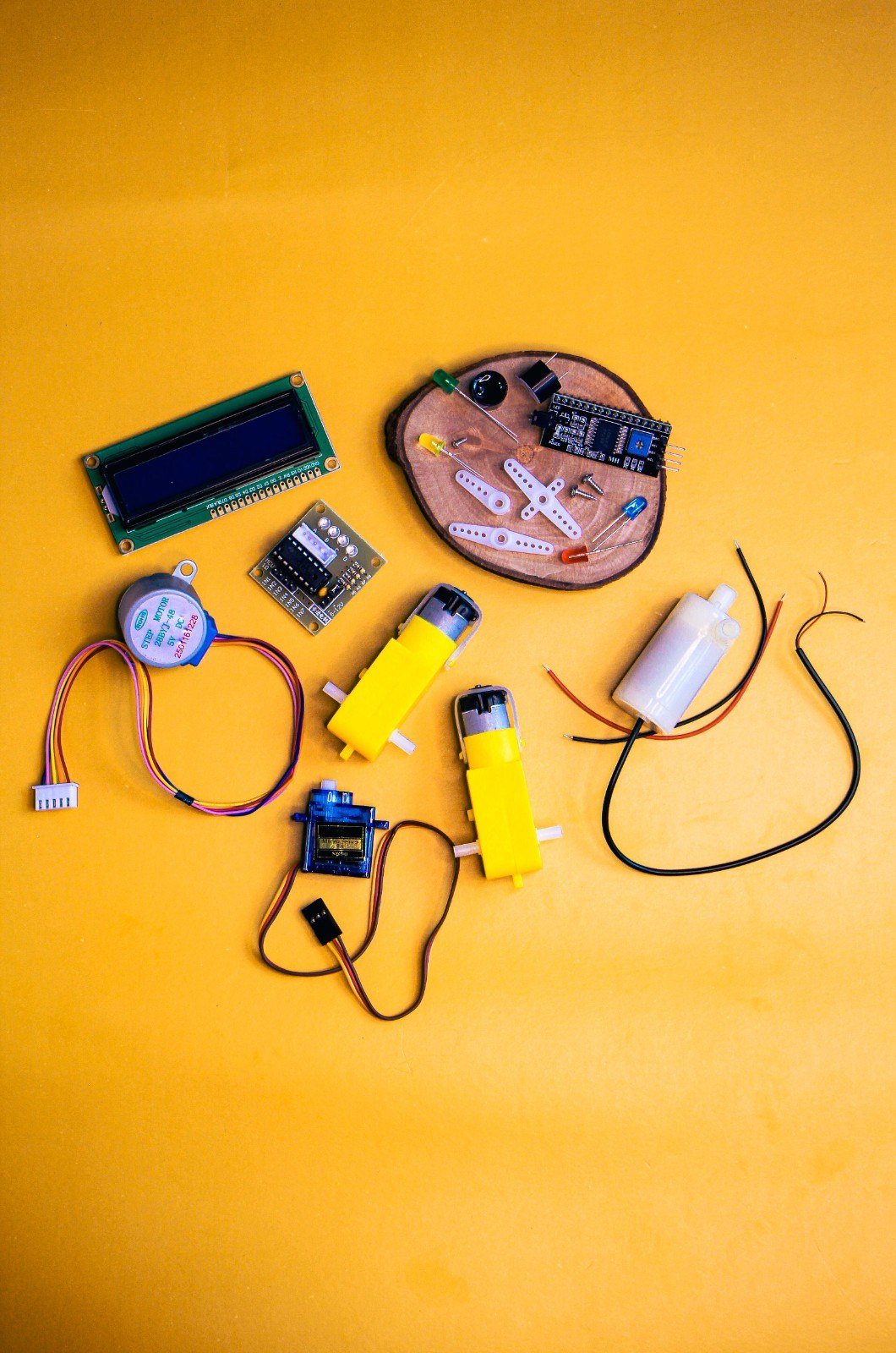
How Long Does an ECE Project Usually Take?
Can I Get Help Choosing an ECE Project Topic?
What Hardware Can Be Used in an ECE Project?
Is Embedded Programming Included in the Development?
Will the ECE Prototype Be Tested Before Submission?
Do You Provide ECE Project Documentation Support?
Choose the Right Support for Your ECE Project
Select a support plan based on your ECE project requirements, from circuit guidance and hardware setup to embedded development, testing, documentation and final project presentation.
Project Guidance
For students who need support with project planning, component selection, circuit setup and basic hardware implementation.
- Project concept discussion
- Component selection guidance
- Basic circuit design assistance
- Hardware setup guidance
- Microcontroller selection support
- Initial circuit troubleshooting
- Project implementation guidance
- Basic demonstration preparation
Embedded Development
For students who need practical support with embedded systems, sensor integration, programming and hardware implementation.
- System architecture planning
- Sensor and module integration
- Microcontroller programming support
- PCB and circuit implementation
- Communication protocol assistance
- Hardware-software integration
- Testing and debugging support
- Technical documentation assistance
Complete ECE Solution
For students seeking comprehensive support for advanced electronics, embedded, IoT and hardware-based projects.
- Complete project requirement analysis
- Advanced circuit and system planning
- IoT and wireless communication
- Advanced sensor integration
- Firmware and embedded programming
- End-to-end hardware testing
- Complete project report preparation
- PPT and viva preparation support
Prices shown are starting prices. Final pricing may vary depending on your academic year, project complexity, hardware components, controller or processor used, project scope, technology requirements and selected services. A customized quotation will be provided after reviewing your project requirements.